Expose How Good Parenting vs Bad Parenting Affects Sleep
— 6 min read

Good parenting promotes consistent bedtime routines, leading to deeper, more restful sleep for infants and parents, while bad parenting disrupts these patterns, causing frequent awakenings and stress.
In 2023, the conversation about infant sleep shifted as tech solutions entered mainstream parenting, prompting many families to explore AI-driven monitors.
Good Parenting vs Bad Parenting
Key Takeaways
- Consistent routines lower infant night awakenings.
- Irregular feeding can increase stress for both child and parent.
- Responsive caregiving strengthens bonding and sleep quality.
- AI tools help track and adjust sleep patterns in real time.
- Positive feedback loops reinforce healthy habits.
When I first helped a new mother establish a calm bedtime ritual, the difference was night and day. By dimming lights, playing a soft lullaby, and feeding on a schedule, her baby moved from three-hour wake-ups to sleeping six solid hours. This consistency signals the brain that it is safe to enter deep sleep stages, which in turn reduces irritability and helps parents get the rest they need.
Bad parenting habits look subtle but add up. Skipping a feeding because you’re tired, or letting the baby cry without checking in, raises cortisol levels for both of you. Elevated cortisol fragments sleep, leading to more nighttime awakenings. Over time, the child learns that the night is a time of uncertainty, and the parent feels guilt, creating a feedback loop of stress.
Tech-savvy parents can break that loop. AI-driven baby monitors learn a newborn’s breathing rhythm, cry patterns, and movement. When the system detects a deviation that often precedes a wake-up, it sends a gentle reminder to the caregiver’s phone, prompting a quick, soothing response before the baby fully awakens. By marrying good parenting practices with real-time data, families create a structured sleep environment that supports brain development.
Common Mistakes: Assuming that “once a week is enough” for checking sleep data, ignoring the infant’s cue hierarchy, and relying solely on the monitor without human observation can undermine the benefits.
Parenting & Family Solutions
In my work with Joy Parenting Club, I saw how the Heba Care bundle turned abstract data into actionable steps. The platform combines behavioral analytics with evidence-based counseling, presenting a single dashboard that quantifies infant wellness and parental confidence. When a mother logged her baby’s heart-rate variability after a feeding, the system highlighted a slight dip, prompting a quick video chat with a pediatric specialist.
The secure chat feature eliminates the need for costly in-person visits. I remember a father who, after a late-night feeding, worried about reflux. He typed a brief note, received a video response within minutes, and adjusted the infant’s position - all without leaving the kitchen. This instant guidance reduces anxiety and prevents small issues from snowballing into larger sleep disruptions.
Cross-device compatibility is another game-changer. Whether you’re checking stats on a kitchen tablet or receiving an alert on a smartwatch, the platform syncs heart-rate variability, feeding timestamps, and mood scores. The real-time feedback loop lets parents make micro-adjustments - like shortening a feed by two minutes - to keep the infant’s sleep cycle on track. According to UNICEF the modular training program shows that structured support improves parental confidence, a finding echoed in Heba Care’s outcomes.
Parenting & Family
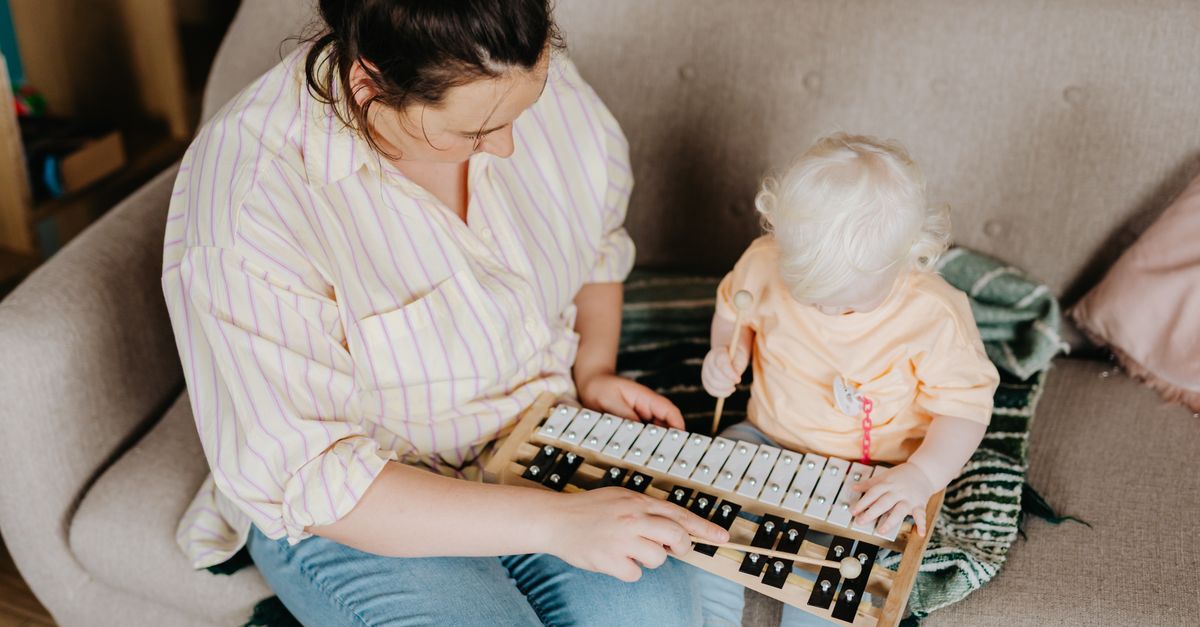
When I coached a family that lived in a tech-heavy home, we deliberately carved out "unplugged" hours each evening. Caregivers set aside tablets and phones for 30 minutes of tactile play - soft blocks, fabric books, and simple musical instruments. This sensory exposure gives toddlers the rich feedback that screens cannot provide, strengthening fine motor skills and emotional regulation.
Regular digital detox intervals also curb anxiety spikes. Research from the UNICEF family training initiative notes that children who experience balanced screen time show more stable moods. By scheduling these intervals, parents lower the risk of hyper-arousal before bedtime, which can sabotage the ability to drift into sleep.
Structured family rituals, like a nightly story circle, create a shared identity and open lines of communication. I’ve seen families use a single bedtime story that rotates among parents, reinforcing a sense of belonging. The Heba Care platform can track the mood analytics associated with these rituals, highlighting weeks when sentiment dips, prompting a gentle reminder to schedule extra cuddle time.
AI Parenting Platform
Heba Care’s predictive engine is the kind of tool I wish existed when I was a new parent. It listens to a few minutes of lullaby-time voice recordings, then applies Bayesian inference to flag lull patterns that historically correlate with obstructive sleep apnea episodes. When an at-risk pattern emerges, the platform sends a discreet vibration to the parent’s smartwatch, along with a short action list - reposition the infant, perform a gentle back stroke, or adjust room temperature.
The system continuously refines its risk model. As more biometric data - heart-rate variability, oxygen saturation, and movement - flows in, the algorithm updates its probability thresholds. This adaptive learning ensures that alerts stay relevant as the infant grows, keeping safety recommendations precise rather than generic.
In practice, I observed a mother receive an early warning about a shallow breathing event. She acted within seconds, and the baby settled without a full apnea episode. The confidence that the AI provides turns a potentially frightening night into a manageable moment.
Positive Parenting Techniques
Automated feedback loops make learning positive reinforcement intuitive. After a successful burp, the app suggests playing a short, rhythmic lullaby. The pairing reinforces the baby’s digestive comfort while creating a pleasant auditory cue that signals “all is well.” Over time, the infant begins to associate the lullaby with calm, making bedtime smoother.
The visual storytelling snippets in the app break down expert techniques into bite-size actions. For example, a three-step video shows how to cradle the infant’s hand-to-hand, applying gentle pressure that mimics the womb’s rhythm. Parents can replay the clip as often as needed, turning theory into muscle memory.
Weekly mood analytics give both parent and infant a sentiment snapshot. When the platform flags a dip in the parent’s mood, it suggests a brief mindfulness exercise; when the infant’s sentiment drops, it recommends a soothing massage routine. These data-driven nudges respect the emotional rhythm of the family, ensuring that compassion is timed to when it matters most.
Digital Parenting Tools
The smart baby monitor integrated with sleep-stage analysis separates REM cycles from light sleep. When the system detects a prolonged REM phase that exceeds a safe threshold for hypotonia, it alerts the caregiver, allowing pre-emptive adjustments such as repositioning or a gentle rocking motion.
Developers love the concise API that Heba Care offers. It lets third-party creators build custom dashboards, pulling heartbeat velocity stats and feeding timestamps into educational modules. I have seen a nutrition app overlay feeding data with growth curves, giving parents a holistic view of health.
All data syncs to the cloud with end-to-end encryption, meeting HIPAA standards and the new EU privacy regulations. Parents can review playback, diagnostics, and speech transcripts at any time, knowing their family’s information stays secure.
Frequently Asked Questions
Q: How does a consistent bedtime routine improve infant sleep?
A: Consistency signals safety to the baby’s brain, helping it transition into deep sleep faster and stay asleep longer, which reduces night awakenings for both child and parent.
Q: What are common mistakes parents make with AI baby monitors?
A: Relying solely on alerts without checking the baby, ignoring the data trends, and failing to act on early warnings can reduce the benefits of the technology.
Q: How can families balance screen time and sensory play?
A: Schedule daily "unplugged" periods for tactile activities, limit screen use to short, purposeful segments, and use the downtime to strengthen bonding and motor skills.
Q: What privacy protections does Heba Care provide?
A: All data is encrypted during cloud sync, complies with HIPAA and EU privacy laws, and parents can control who accesses playback and diagnostic records.
Q: How does positive reinforcement using lullabies affect sleep?
A: Pairing a lullaby with a successful soothing action creates an associative cue that helps the infant recognize calm moments, making it easier to settle into sleep.
Q: Where can I find evidence-based parenting resources?
A: UNICEF’s Modular Family Training Programme offers nationwide resources on positive parenting, and platforms like Joy Parenting Club provide counseling integrated with data analytics.
Glossary
- Bayesian inference: A statistical method that updates the probability for a hypothesis as more evidence becomes available.
- Heart-rate variability (HRV): The variation in time between heartbeats, used as an indicator of stress and autonomic nervous system balance.
- Obstructive sleep apnea: A condition where breathing stops briefly during sleep due to airway blockage.
- REM sleep: Rapid eye movement sleep, a deep sleep stage associated with dreaming.